


What is Vitiligo ?
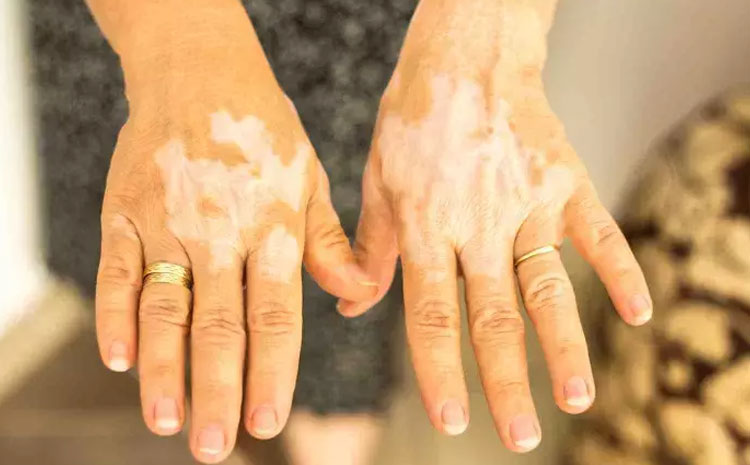
What is Vitiligo?
Vitiligo is a skin condition in which the pigment-producing cells of the skin, called melanocytes, are destroyed.
Melanocytes produce melanin, the pigment that gives the skin its brown color. The loss of these cells causes a loss of color, resulting in white patches on the skin.
Vitiligo (pronounced vit-il-EYE-go) causes certain areas of the skin to lose their color and turn white or lighter than the normal skin tone. These lighter spots are called:
- Macules – if they’re smaller than 1 cm
- Patches – if they’re larger than 1 cm
If the white spot appears where there’s hair (like on the scalp or eyebrows), the hair may also turn white or silver.
Why Does This Happen?
The exact reason isn’t fully known, but it’s usually because your immune system mistakenly attacks your own color-making cells.
Vitiligo can also run in families or be triggered by stress, skin injuries, or illnesses.
Sometimes it appears at the site of an injury (called the Koebner phenomenon), but that doesn’t mean the injury caused it.
Your immune system attacks the melanocytes — the skin cells that make melanin. When these cells are damaged or destroyed, they stop producing melanin, leading to white patches on the skin.
Theories of Causation
- Neural Theory: Malfunction of nerves may damage melanocytes.
- Autoimmune Theory: The body destroys its own melanocytes, mistaking them for foreign tissue.
- Self-Destruction Theory: Melanocytes may self-destruct due to internal or external triggers like trauma.
Is Vitiligo Hereditary?
Vitiligo affects approximately 1% of the population.
It has a complex inheritance pattern involving multiple factors.
Around 20–30% of vitiligo patients have at least one close relative with the condition.
Is Vitiligo Transmissible?
No. Vitiligo is not transmissible to family members or contacts.
It is not contagious and does not spread by touch.
Precipitating or Triggering Factors
- Emotional stress, psychological crisis, or major illness
- Physical trauma to an area of skin
- Sunburn or skin injury (Koebner phenomenon)
Diet does not appear to play a role in causing or worsening vitiligo.
How Does Vitiligo Look?
Vitiligo presents as asymptomatic white or off-white patches on the skin.
The hair over the area may also lose color and turn white.
The affected skin remains otherwise normal — without itching, scaling, or pain.
Areas Commonly Affected
Vitiligo can affect any part of the body. Depending on the pattern and distribution, it is classified into different types:
- Lip-tip Vitiligo: Involves lips, fingertips, and toes
- Segmental Vitiligo: Involves one side or a linear area of the body
- Focal Vitiligo: Small, localized patches
- Generalized Vitiligo: Large, widespread areas of involvement
What Should You Do If You Notice White Patches?
Not all white patches are vitiligo.
A dermatologist can diagnose the condition accurately, differentiate it from other causes of white patches, and suggest the best treatment plan.
Tests to Confirm Vitiligo
Diagnosis is usually clinical, supported by:
- Wood’s lamp examination (a special UV light test)
- Skin biopsy (in rare cases, to rule out other conditions)
- Blood tests – to check for autoimmune diseases such as thyroid disorder, diabetes, pernicious anemia, or rheumatoid disease (about 15% of patients may have these)
Treatment of Vitiligo
The main goals of treatment are:
- To control the spread of the disease
- To regain pigmentation in affected areas
Treatment choice depends on the extent, location, progression, and patient preference.
1. Medical Treatment
Includes oral medications and topical creams/lotions, which help:
- Stop the spread of vitiligo
- Stimulate repigmentation in affected areas
2. UV Therapy (Phototherapy)
Exposure of affected skin to ultraviolet light:
- PUVA therapy (Psoralen + UVA): Psoralen is taken orally or applied topically before UVA exposure.
- Narrowband UVB therapy: The patient stands in a light box or uses a localized beam 2–3 times a week.
3. Surgical Therapy
Used for stable vitiligo (not spreading).
Includes:
- Punch grafting
- Blister grafting
- Split-skin grafting
- Melanocyte transplantation
4. Tattooing and Cosmetic Camouflage
Tattooing the depigmented skin or using cosmetic camouflage can help conceal white patches.
5. Skin Protection
Because depigmented skin burns easily:
- Use sunscreen daily
- Wear protective clothing
- Avoid excessive sun exposure
6. Counselling and Support
Understanding that vitiligo is harmless and cosmetic helps prevent emotional distress.
Counselling for the patient and family is important to build confidence and ensure treatment adherence.
Vitiligo in Children
Vitiligo can occur in young children.
Treatment options are fewer:
- NB-UVB therapy is safe.
- Psoralen + UVA (PUVA) is recommended only after age 12.
- Topical creams can be used under dermatological supervision.
Can Vitiligo Be Cured?
Vitiligo is an autoimmune condition, so it cannot be fully cured, but:
- Treatment can slow its progression
- In many cases, repigmentation occurs
- Regular follow-up increases the chances of improvement
Recurrence is possible but manageable with proper care and treatment.
Can a Person with Vitiligo Marry or Play Sports?
Yes! People with vitiligo can:
- Marry
- Swim
- Play contact sports like wrestling
Vitiligo is not contagious and does not affect physical abilities or fertility.
In schools, teachers and peers should be sensitized to prevent bullying and promote inclusion of children with vitiligo.
Myths About Vitiligo — Let’s Clear Them Up!
- Myth: Vitiligo is dangerous.
Fact: It is not dangerous or painful. It only affects skin color. - Myth: Vitiligo is contagious.
Fact: Completely false. It cannot spread by touch or sharing items. - Myth: Only people with dark skin get vitiligo.
Fact: It can affect anyone. - Myth: Caused by eating certain foods (like milk and fish together).
Fact: No scientific evidence supports this. - Myth: Vitiligo is just a cosmetic issue.
Fact: It can affect emotional well-being too. - Myth: There’s no treatment.
Fact: Treatments exist — medications, phototherapy, and surgery. - Myth: Everyone will lose all skin color.
Fact: False — patterns vary by person. - Myth: It’s a punishment or bad karma.
Fact: It’s a medical condition, not related to morality. - Myth: Vitiligo can be prevented.
Fact: It usually cannot, due to genetic and autoimmune causes. - Myth: It only affects the skin.
Fact: It may affect hair or mucous membranes but not internal organs. - Myth: People with vitiligo should be avoided.
Fact: Absolutely false — they are healthy and capable. - Myth: It’s related to leprosy or albinism.
Fact: Vitiligo is completely different from these conditions. - Myth: People with vitiligo should avoid the sun.
Fact: They can go out with sun protection; sunlight is even used in therapy.
Final Thoughts
Vitiligo affects appearance, not health or character.
By replacing myths with facts, we can build an inclusive and supportive society where people with vitiligo feel respected, confident, and accepted.
Whether you or someone you know has vitiligo, remember:
“Skin may lose color, but confidence, kindness, and courage shine even brighter.”
Consult a dermatologist for early diagnosis, proper treatment, and ongoing care.
