


Premature Greying of Hair
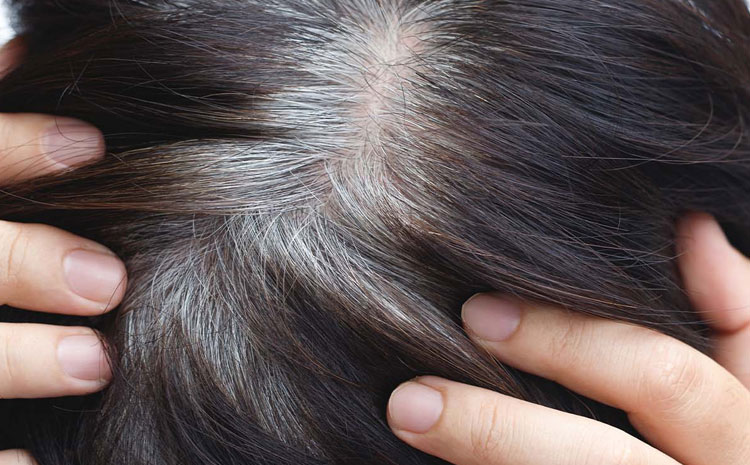
Premature graying of hair, also known as canities in medical terms, means getting gray or white hair earlier than usual.
Average Age of Graying by Ethnicity
- White people: Mid-30s
- Asian people: Late 30s
- Black people: Mid-40s
By the age of 50, about 50% of people will have a noticeable amount of gray hair — a phenomenon often referred to as the “50-50-50 rule.”
What’s Considered Premature Graying?
- White individuals: Graying before age 20
- Asian individuals: Graying before age 25
- Black individuals: Graying before age 30
Why Does Hair Turn Gray?
Hair turns gray when your body stops making enough melanin, the pigment that gives your hair its color. It is produced by cells called melanocytes in your hair follicles. As you age:
- Melanocytes slow down melanin production
- Eventually, hair grows in gray or white as pigment fades
What Causes Early Graying?
There are many reasons — some you can control, some you can’t. While genetics is the most common cause, several other internal and external factors may contribute to early loss of hair pigment:
- Genetics
- If your parents or grandparents went gray early, you’re more likely to as well.
- This is often the strongest predictor.
- Nutritional Deficiencies
- Low levels of Vitamin B12, Folic acid, Biotin, Iron, and Copper can affect melanin production and speed up graying.
- Health Conditions
- Autoimmune diseases like vitiligo and alopecia areata can cause pigment loss in hair.
- Thyroid disorders (hypo- or hyperthyroidism) may also play a role.
- Stress
- Chronic stress can trigger inflammation and oxidative stress, which may damage melanocytes.
- Stress is not the sole cause, but may accelerate graying in genetically prone individuals.
- Smoking
- Strongly associated with premature graying.
- Studies show smokers are more than twice as likely to develop gray hair early.
- Oxidative Stress
- The buildup of free radicals contributes to aging and pigment loss.
- Environmental factors like pollution, poor diet, and UV radiation play a role.
- Certain Medications – Some long-term drugs may play a role.
Can Gray Hair Turn Black Again?
In most cases, no — once a hair turns gray, it stays gray. However, if graying is due to treatable causes like vitamin deficiency, thyroid imbalance, or autoimmune conditions, addressing these issues may slow further graying or improve hair health.
Can You Prevent Premature Graying?
There’s no guaranteed way, but these tips may help slow it down. While you can’t override your genetics, these lifestyle and dietary habits may help:
- Eat a Pigment-Friendly Diet
- Focus on foods rich in:
- B vitamins (whole grains, eggs, dairy)
- Iron (spinach, lentils)
- Copper (nuts, seeds, mushrooms)
- Antioxidants (berries, leafy greens, citrus)
- Stay hydrated to support overall scalp and follicle health.
- Focus on foods rich in:
- Quit Smoking
- Smoking accelerates skin and hair aging, including graying.
- Manage Stress
- Practice mindfulness, yoga, meditation, or breathing techniques.
- Chronic stress contributes to early cellular aging.
- Consider Natural Remedies
- Amla (Indian gooseberry): Used in Ayurvedic medicine to slow graying.
- Black sesame seeds: Thought to nourish hair follicles.
- Curry leaves: Traditionally believed to support melanin production.
- Use Gentle Hair Care Products
- Harsh shampoos and frequent chemical treatments can weaken hair.
- Look for sulfate-free, nourishing shampoos with antioxidants or botanical extracts.
Are There Treatments?
There’s no magic cure — currently, there are no proven medical treatments to restore natural pigment once hair has turned gray. Here’s what can help manage early graying:
A. Covering Gray Hair: Hair Dye Options
- Natural Dyes (e.g., Henna)
- Gentler on the scalp
- Contain fewer synthetic chemicals
- Require frequent touch-ups as they fade faster
- Limited color options
- Synthetic Hair Dyes
- Available in permanent, semi-permanent, and temporary forms
- Permanent dyes offer full coverage but may irritate sensitive skin
- Always do a patch test to check for allergic reactions
- Tip: For sensitive scalps, use ammonia-free or PPD-free dyes (PPD = para-phenylenediamine).
B. Talk to a Dermatologist
- Help rule out underlying causes of graying
- Suggest gentle hair care routines and safe coloring methods
- Guide you through treatments if deficiencies or autoimmune issues are detected
- May suggest PRP or peptides as supportive therapies
Is It Something to Worry About?
Mostly, no — it’s often just cosmetic. However, if graying is rapid or accompanied by symptoms like fatigue, weight changes, or hair loss, consult your doctor to rule out underlying conditions.
Premature Graying: Myths vs. Facts
- Myth 1: Pulling out one gray hair will cause more to grow.
Fact: Not true! Pulling one hair won’t cause more gray hairs but can damage the follicle. - Myth 2: Only old people get gray hair.
Fact: Graying can start in your teens or early 20s, depending on genetics. - Myth 3: Coloring your hair causes it to turn gray.
Fact: Hair dye doesn’t cause graying; it only affects the hair shaft, not melanin production. - Myth 4: Eating curry leaves or amla can reverse gray hair.
Fact: Such foods may support hair health but can’t reverse existing gray hair. - Myth 5: Gray hair means you’re unhealthy.
Fact: Not always! Many healthy people experience premature graying due to genetics.
Final Word
Premature graying might be annoying, but it’s harmless for most people. Carry it, color it, or treat it — it’s your choice!
Disclaimer: This article is only for general patient information and is not intended for self-medication. There is no legal liability of IADVL arising out of any adverse consequence to the patient. Subsequent to its use for self-treatment of the disease, images are adjusted for depiction of the condition and are not to be used for any other purpose.
